
Toxic Tall Fescue Testing: Endophyte and Ergot Alkaloid Tests
Tall fescue is one of the most widely grown pasture and hay grasses in the United States. Most older stands, including the common variety Kentucky 31, carry a fungal endophyte that lives inside the plant. The endophyte helps the grass stand up to drought, insects and heavy grazing, but it also makes ergot alkaloids, mainly ergovaline. These alkaloids are what make “toxic fescue” toxic to the animals that eat it.
Agrinostics has tested grasses for endophyte and ergot alkaloids since 1997. You can send samples to our laboratory, or run the same tests in your own lab with a Phytoscreen test kit.
Fescue Toxicosis (Ergot Alkaloid Toxicosis)
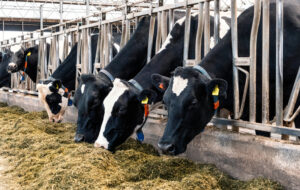 Cattle, horses and other livestock that graze toxic fescue, or eat hay made from it, can develop fescue toxicosis, also called ergot alkaloid toxicosis. In cattle the common signs are lower weight gain and milk yield, poorer conception rates, a rough hair coat and heat stress in summer, often called “summer slump”. In cold weather, reduced blood flow can cause lameness and loss of tail tips or hooves, known as “fescue foot”. Pregnant mares are especially sensitive: toxic fescue can cause prolonged pregnancy, a thickened placenta, difficult foaling and little or no milk.
Because the signs build up slowly, testing the pasture, the hay and the animals is the surest way to know whether fescue is the problem. Talk to your veterinarian or county extension agent about what your results mean for your herd.
How to Test for Toxic Fescue
1. Does the pasture carry the endophyte?
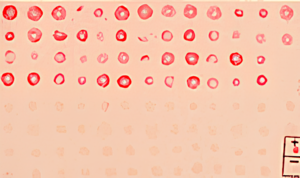 Test field tillers for endophyte. Send them to us for endophyte analysis of field tillers, or test them in your own lab with the Phytoscreen field tiller endophyte kit. This test shows whether endophyte is present, not whether it is toxic: novel endophyte varieties test positive too, so use the ergot alkaloid tests in step 2 to measure toxicity.
2. How much ergot alkaloid is in the grass?
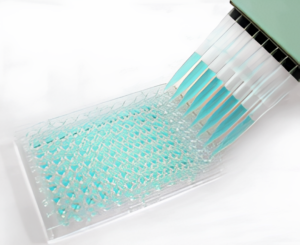 Ergot alkaloid analysis of 96 tillers is our toxic fescue test for pastures. For in-house work, the Phytoscreen tiller ergot alkaloid kit screens 96 tillers, and the Phytoscreen plant tissue ergot alkaloid kit measures 0 to 4 ppm in up to 54 samples.
3. Toxic hay testing
 Hay made from toxic tall fescue can still carry ergot alkaloids. Send a hay or feed sample for ergot alkaloid analysis of hay and feed; we do the grinding for you.
4. Are the animals exposed?
 Ergot alkaloids show up in urine. Test urine in your own lab with the Phytoscreen urine ergot alkaloid kit, or send samples for urine ergot alkaloid analysis. Read the result together with a urine creatinine test: the Phytoscreen urine creatinine kit or our urine creatinine analysis.
5. Planting or renovating a pasture? Test the seed.
Check a seed lot before you plant it with the Phytoscreen seed endophyte kit, endophyte analysis of 100 seeds or ergot alkaloid testing of 100 seeds. Where seed cannot be screened directly, choose endophyte analysis of grow-out tillers or the Phytoscreen grow-out tiller endophyte kit. If you plan to replace toxic fescue with a novel endophyte variety, The Alliance for Grassland Renewal has guidance on pasture renovation.
When and How to Sample
The endophyte grows best from late spring until late fall, so timing matters. Our sampling methods page explains when to sample in your region and how to collect and ship tillers, seed, hay and urine. Questions about which test fits your situation? Contact Agrinostics.